


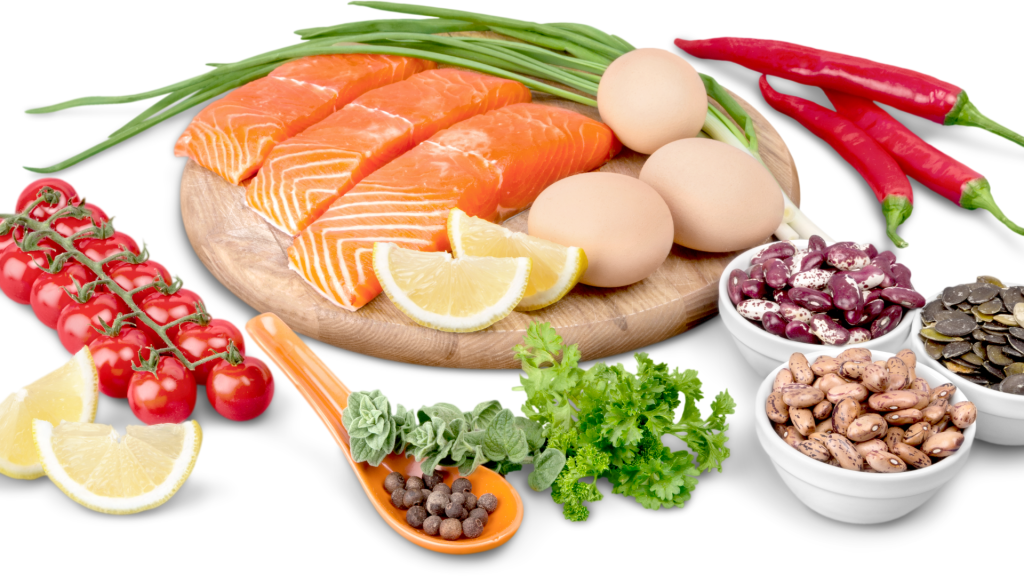

Not everything is about the glycemic index, and you don’t need to “eat unlimited protein.”
If you want to lose body fat, you have probably heard that you should avoid foods with a high glycemic index and significantly increase your protein intake. But what truly matters? Does the glycemic index influence weight loss as much as we think? And how much protein do you actually need? Below, we clarify both concepts based on scientific evidence and practical application.
Adriana Martín Peral – Neolife Nutrition Unit
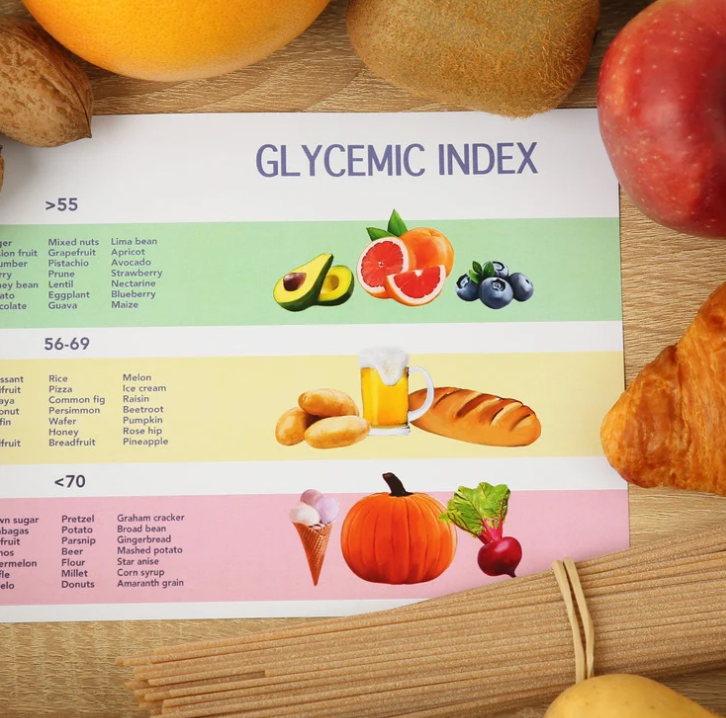
What Is the Glycemic Index?
The glycemic index (GI) measures how quickly a carbohydrate-containing food raises blood glucose levels compared with pure glucose.
- High GI → rapid rise in blood glucose
- Low GI → slower rise
However, there is a limitation: the glycemic index is measured under isolated conditions, with the food consumed alone and in standardized quantities. In real life, we eat combinations of foods. For this reason, a more practical concept is glycemic load, which takes into account both the quality and the quantity of carbohydrates.
Does the Glycemic Index Matter for Weight Loss?
Evidence shows that:
- Low-GI diets may improve glycemic control.
- They can be particularly beneficial in individuals with insulin resistance.
- However, when calories and protein intake are controlled, GI alone does not determine fat loss.
The factors that most strongly influence weight loss are:
- Sustained caloric deficit
- Adequate protein intake
- Long-term adherence
A high-GI food does not “cause weight gain” by itself. The overall dietary context is what truly makes the difference.
Protein: The Key Player in Fat Loss
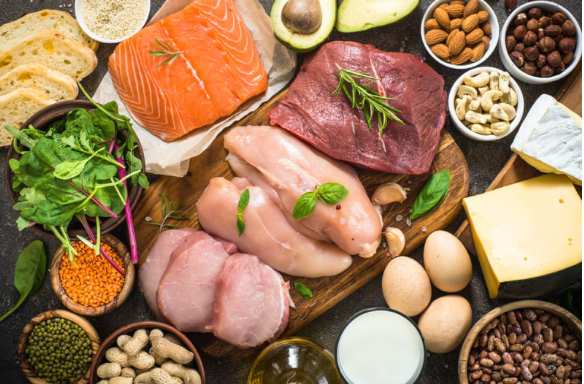
If there is one macronutrient that becomes especially important when aiming to lose fat without losing muscle mass, it is protein. Why?
- It increases satiety.
- It reduces the loss of muscle mass during a caloric deficit.
- It has a higher thermic effect (the body expends more energy digesting it).
This leads to an important question:
How Much Protein Is Actually Needed for Weight Loss?
The standard recommendation for the general population is 0.8 g/kg/day.
However, for fat loss and preservation of muscle mass, current evidence suggests an intake of 1.6–2.2 g/kg of body weight per day. That said, before increasing protein intake, it is important to ensure that there is no medical condition requiring a different nutritional approach. Protein intake should always be individualized and supervised by a healthcare professional.
Practical example:
A person weighing 70 kg who wants to lose fat should consume between 112 and 154 g of protein per day. This does not mean “eating unlimited protein.” Beyond this range, the benefits do not increase significantly.
What You Should Really Focus On
Instead of becoming overly concerned with the glycemic index:
- Ensure sufficient protein intake at each meal.
- Combine carbohydrates with fiber, fats, and protein.
- Prioritize minimally processed foods.
- Evaluate your long-term adherence rather than focusing exclusively on GI.
Improving your daily protein distribution will have a much greater impact on body composition than focusing solely on the glycemic index.
Conclusion
The glycemic index can be a useful tool in certain contexts, particularly in individuals with metabolic disturbances, but it is not the decisive factor when it comes to fat loss. What truly makes a difference is maintaining a sustainable caloric deficit, ensuring adequate protein intake, and building a dietary pattern that can be maintained over time.
Within this framework, protein plays a key role because it helps preserve muscle mass, improves satiety, and facilitates adherence to the nutritional plan. However, more is not always better, and recommendations should be adjusted according to each individual’s characteristics and health status.
Ultimately, losing weight does not depend on demonizing foods based on their glycemic index or consuming unlimited protein, but rather on applying strategy, scientific evidence, and long-term consistency.
BIBLIOGRAPHY
(1) Thomas, D., Erdman, K., & Burke, L. (2016). Position of the Academy of Nutrition and Dietetics: Nutrition and Athletic Performance.
(2) Morton, R. W., et al. (2018). Protein intake and muscle mass: A meta-analysis.
(3) Wycherley, T. P., et al. (2012). Effects of energy-restricted high-protein diets on body composition.
(4) Livesey, G., et al. (2008). Glycemic index and body weight: systematic review and meta-analysis.