




Discover why taking care of your gut means taking care of your entire body — from your immune system to your mood.
For a long time, the gut was thought to be responsible only for digesting food. Today, we know its role goes far beyond that. Inside it lives a complex ecosystem of microorganisms — the gut microbiota — that directly influences key aspects of our health. Taking care of it not only improves digestion, but can also help you feel more energetic, less inflamed, and emotionally more balanced.
Adriana Martín Peral – Neolife Nutrition Unit
What Is the Microbiota and Why Does It Matter?
The gut microbiota is the collection of trillions of microorganisms — bacteria, viruses, fungi, and others — that live in your intestines. Although it may sound strange, these tiny inhabitants play a crucial role in your health.
Among the microbiota’s main functions are:
- Digesting food and producing nutrients such as B vitamins and vitamin K
- Training the immune system
- Producing neurotransmitters such as serotonin (90% of which is produced in the gut!)
- Protecting against harmful pathogens
This is why the gut is often called “the second brain.” There is a direct connection between the gut and the brain, known as the gut-brain axis, which allows what happens in one to affect the other.
The Microbiota and Its Impact on Mental and Immune Health
The connection between the gut and the brain has been one of the most fascinating scientific discoveries in recent years. What was once considered solely a digestive organ is now recognized as a complex system that communicates directly with the brain through what is known as the gut-brain axis. This communication pathway allows changes in the gut microbiota to influence not only digestion, but also emotional state, behavior, and even the way our body responds to disease.
In the field of mental health, various studies have shown that an imbalance in the gut microbiota — known as dysbiosis — may be linked to disorders such as anxiety, depression, and chronic fatigue. This is because many intestinal bacteria participate in the production of key neurotransmitters such as serotonin, which is responsible for generating feelings of well-being and happiness. In fact, it is estimated that more than 90% of the body’s serotonin is produced in the gut, which explains why digestive discomfort is often accompanied by emotional disturbances.
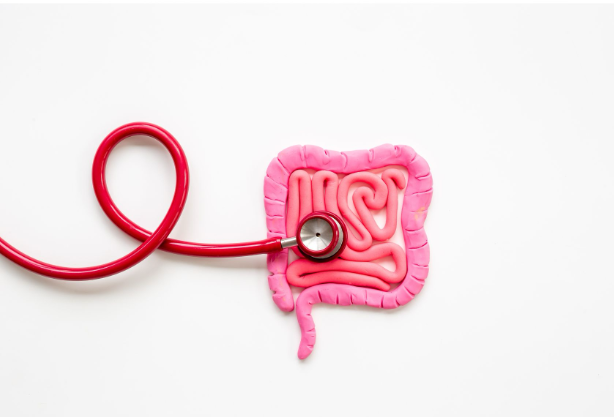
On the other hand, the microbiota plays a crucial role in the functioning of the immune system. Approximately 70% to 80% of the body’s immune cells are located in the gut, making it a true defense center. When the microbiota is balanced, it helps train the immune system to respond appropriately to viruses, bacteria, and toxins. However, when this balance is disrupted, it can lead to a state of chronic low-grade inflammation that, over time, weakens our defenses and increases the risk of developing autoimmune diseases, allergies, recurrent infections, and even metabolic conditions such as obesity and type 2 diabetes.
In addition, the modern lifestyle — characterized by low-fiber diets, excessive consumption of ultra-processed foods, frequent antibiotic use, lack of sleep, and high levels of stress — has a direct negative impact on the microbiota. These factors reduce bacterial diversity, promote the growth of harmful microorganisms, and alter the protective functions of the gut. For this reason, caring for the microbiota should not be seen merely as a strategy to improve digestion, but as a fundamental tool for strengthening the immune system, balancing the mind, and preventing disease.
How to Care for Your Microbiota: Practical Guide
Taking care of your microbiota does not have to be complicated. Despite its biological complexity, this intestinal ecosystem responds very positively to simple lifestyle and dietary changes. What you choose to eat, how you manage stress, and how much sleep you get can shape your microbiota day by day, strengthening its diversity and promoting beneficial bacteria. In other words, every daily decision is an opportunity to nourish your health from within.
One of the fundamental pillars of maintaining a balanced microbiota is the regular consumption of fiber-rich foods. Fiber acts as food for the good bacteria in the gut, allowing them to grow, multiply, and perform their functions properly. This type of fiber, known as prebiotic fiber, is naturally found in:
- Garlic
- Onion
- Asparagus
- Leeks
- Artichokes
- Whole grains such as oats
- Less ripe fruits, such as green bananas
Unlike regular fiber, prebiotic fiber not only regulates intestinal transit, but also directly nourishes the microbiota, helping improve its diversity and stability.
Alongside prebiotics, fermented foods have special value for gut health. These foods contain live bacteria, known as probiotics, which can temporarily colonize the intestine and support digestive, immune, and metabolic functions.
- Kefir
- Plain unsweetened yogurt
- Sauerkraut
- Kimchi
- Artisan kombucha are some accessible and effective examples
Including them regularly in your diet can help restore microbial balance, especially after antibiotic treatments or prolonged periods of stress and poor eating habits.
In addition to diet, other lifestyle factors significantly influence the microbiota. Chronic stress, sedentary behavior, lack of sleep, and excessive consumption of ultra-processed foods are silent enemies of intestinal health. Stress, for example, alters intestinal motility and can change bacterial composition within just a few days, causing digestive symptoms such as bloating, gas, constipation, or diarrhea. Sleeping well, staying physically active, and finding time to disconnect are essential habits that work together to protect the balance of the intestinal ecosystem.

Conclusion
Taking care of your microbiota is not a fad or a passing trend. It is a real investment in your long-term health. Starting with small, sustainable changes — such as adding more vegetables to your meals, avoiding added sugars, or choosing fermented options instead of industrialized products — can make a big difference in how you feel and how your body functions. Remember that a healthy gut not only improves digestion, but also strengthens your defenses, helps you manage stress more effectively, and enhances emotional well-being.
Your gut has memory. Every choice you make either builds it up or weakens it. That is why caring for your microbiota is a smart and conscious way to care for your entire body, from the defenses that protect you to the thoughts that accompany you. Today is a good day to start.
BIBLIOGRAPHY
(1) Cryan, J. F., & Dinan, T. G. (2012). Mind-altering microorganisms: the impact of the gut microbiota on brain and behaviour. Nature Reviews Neuroscience, 13(10), 701–712.
(2) Dinan, T. G., & Cryan, J. F. (2017). The microbiome-gut-brain axis in health and disease. Gastroenterology Clinics of North America, 46(1), 77–89.
(3) Belkaid, Y., & Hand, T. W. (2014). Role of the microbiota in immunity and inflammation. Cell, 157(1), 121–141.
(4) Round, J. L., & Mazmanian, S. K. (2009). The gut microbiota shapes intestinal immune responses during health and disease. Nature Reviews Immunology, 9(5), 313–323.
(5) Kau, A. L., Ahern, P. P., Griffin, N. W., Goodman, A. L., & Gordon, J. I. (2011). Human nutrition, the gut microbiome and the immune system. Nature, 474(7351), 327–336.
(6) Valdes, A. M., Walter, J., Segal, E., & Spector, T. D. (2018). Role of the gut microbiota in nutrition and health. BMJ, 361, k2179.
(7) Giulia Enders (2014). La digestión es la cuestión. Editorial Uranito
(8) Michael Mosley (2017). El Código de la Comida: cómo tu flora intestinal puede cambiar tu vida. Editorial Urano.