





Melatonin has evolved from being considered merely the “sleep hormone” to a systemic modulator with significant effects on cardiovascular, metabolic, immune, and cognitive health. Recently, some controversy arose following the publication of preliminary observational data suggesting a possible association between long-term melatonin use and an increased risk of heart failure.
However, a critical review and detailed analysis of the information published by the American Heart Association (AHA) indicate that these types of studies do not establish a causal relationship and have important limitations. This is because they rely on large population databases and lack control over key factors such as dosage, duration of use, comorbidities, and participants’ sleep quality. These limitations reduce the clinical relevance of the findings, which should be interpreted as hypothesis-generating rather than definitive conclusions. For this reason, at Neolife we aim to share, with scientific rigor, the beneficial properties of melatonin beyond its role in regulating the circadian rhythm.
Dr. Sánchez – Neolife Medical Team
Beyond Sleep: A Key Molecule in Global Homeostasis
To date, no randomized clinical trials have confirmed any direct adverse effect of melatonin on the cardiovascular system. On the contrary, improving sleep quality—one of its main functions—helps reduce the risk of hypertension, diabetes, inflammation, and cardiovascular mortality.
What we do know about melatonin is that it shortens sleep latency and improves overall sleep quality, particularly in cases of sleep-onset insomnia. Moreover, it has a clear antioxidant effect and acts as an immune regulator with potential neuroprotective properties. And, importantly, it has a superior safety profile compared to benzodiazepines—melatonin does not cause dependence or cognitive impairment.
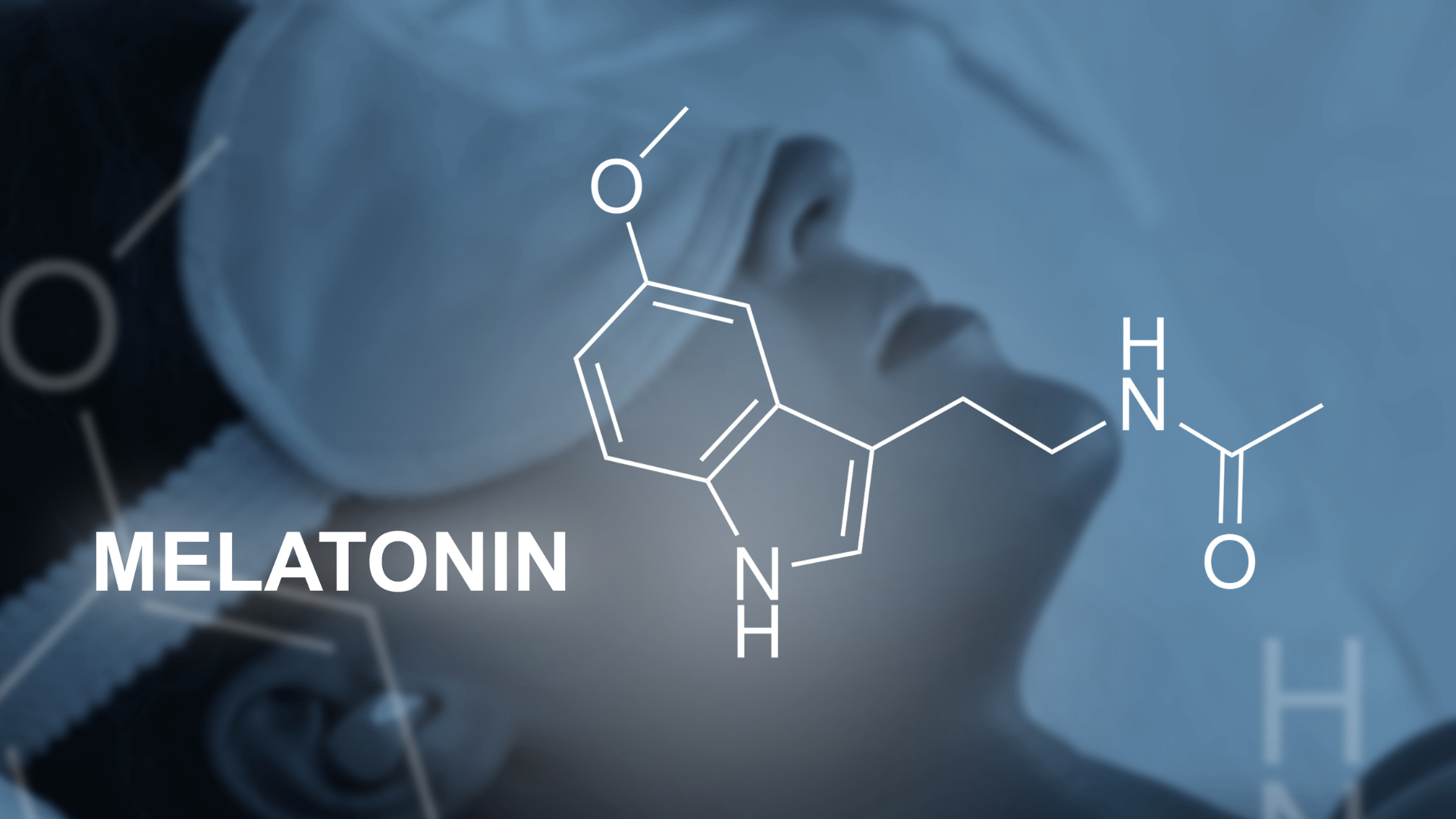
In recent years, melatonin has been found to play a fundamental role in maintaining the balance of the gut microbiome, opening up new therapeutic perspectives. It is now known that the gut contains concentrations of melatonin up to 400 times higher than those found in the brain. Melatonin is not only produced in the pineal gland but also in the gastrointestinal tract, where it acts locally on enteric receptors to modulate motility, immunity, and intestinal permeability.
This production occurs through intestinal bacteria, which can influence the conversion of tryptophan into serotonin—and subsequently into melatonin—directly affecting both its systemic production and function. This explains why patients with dysbiosis (an imbalance in the gut flora) often experience sleep disturbances, circadian rhythm alterations, and mood disorders.
Melatonin promotes the growth and maintenance of beneficial bacteria such as Lactobacillus and Bifidobacterium, while reducing pro-inflammatory species (LPS-producing bacteria), thus promoting a state of eubiosis (microbial balance). This activity helps reduce intestinal inflammation, improve mucosal integrity, and enhance immune response.
Melatonin is the only hormone with antioxidant properties, and its interaction with the microbiota reduces oxidative stress and inflammatory markers (TNF-alpha, IL-6), improving insulin sensitivity, lipid metabolism, and neuroendocrine regulation through the gut–brain axis.
Multiple studies suggest potential benefits of melatonin as an adjunct treatment in irritable bowel syndrome, stress- or antibiotic-induced dysbiosis, metabolic diseases (such as insulin resistance and obesity), and neurodegenerative disorders including Parkinson’s and Alzheimer’s.
Paradoxically, the same mechanisms that some observational studies have linked to cardiovascular harm are, in fact, those that protect the endothelium and reduce systemic inflammation, as supported by physiological evidence. Through its antioxidant action and its influence on the gut microbiome, melatonin reduces lipid peroxidation, enhances mitochondrial function (ATP production, i.e., energy), promotes a healthier lipid profile, regulates blood pressure and heart rate variability, and modulates the autonomic balance between the sympathetic and parasympathetic systems (vagal tone).
The bidirectional interaction between melatonin and the microbiome is emerging as an essential mechanism in the regulation of multiple physiological functions. Modulating this axis represents a promising therapeutic pathway in inflammatory, metabolic, and neurological disorders.
In this context, melatonin transcends its traditional role as a sleep regulator—it acts as a global modulator of the circadian–immune–microbial axis, with far-reaching effects on cardiovascular, metabolic, and neuroendocrine health.
Taken together, melatonin’s overall impact on the body is protective and homeostatic, especially when dosing and treatment are personalized by healthcare professionals.
At Neolife, the regulation of the circadian rhythm and quality sleep are considered fundamental pillars of treatment, with proven benefits for our patients’ well-being. We know that melatonin supplementation can help restore gut ecosystem balance (eubiosis) and serve as an adjunct therapy in conditions such as irritable bowel syndrome, stress-induced dysbiosis, and certain metabolic or neurodegenerative diseases.
The current clinical challenge lies in personalizing its use, adapting it to each individual’s age, chronotype, gut microbiome status, comorbidities, and clinical goals. While we await further research, current evidence supports a rational, safe, and medically supervised use of melatonin within a comprehensive, integrative approach to overall health and healthy longevity.
BIBLIOGRAPHY
(1) Iesanu, M. I., Zahiu, C. D. M., Dogaru, I.-A., Chitimus, D. M., Pircalabioru, G. G., Voiculescu, S. E., Isac, S., Galos, F., Pavel, B., O’Mahony, S. M., & Zagrean, A.-M. (2022). Melatonin–Microbiome Two-Sided Interaction in Dysbiosis-Associated Conditions. Antioxidants, 11(11), 2244. https://doi.org/10.3390/antiox11112244
(2) American Heart Association. Long-term use of melatonin supplements to support sleep may have negative health effects. News release, 3 Nov 2025.