




As Dr. Martí explained in the previous article, Poliendocrine Ovarian Metabolic Syndrome (POMS) encompasses a range of phenotypes and clinical presentations. Not all women experience the same symptoms, have the same hormonal or metabolic alterations, or pursue the same therapeutic goals.
This heterogeneity has a direct implication from a nutritional perspective: there is no single dietary approach for women with POMS. For many years, nutritional recommendations focused almost exclusively on weight loss and insulin resistance. However, the latest scientific evidence supports a broader, more individualized approach. Nutrition should be tailored to each patient, taking into account her clinical profile, symptoms, goals, and specific needs.
Meritxell Massons – Neolife Nutrition Unit
What many women with POMS have in common
Although important differences exist between patients, research has identified several mechanisms that frequently occur across different POMS phenotypes.
One of these is chronic low-grade inflammation. This is not the type of inflammation that produces obvious symptoms, but rather a persistent inflammatory state that can influence multiple hormonal and metabolic processes.
In this context, nutrition plays an important role. The most recent studies suggest that dietary patterns based on fresh, minimally processed foods are associated with a healthier inflammatory and metabolic profile, whereas a high intake of ultra-processed foods, products rich in added sugars, and foods with low nutritional density may contribute to a less favorable metabolic environment.
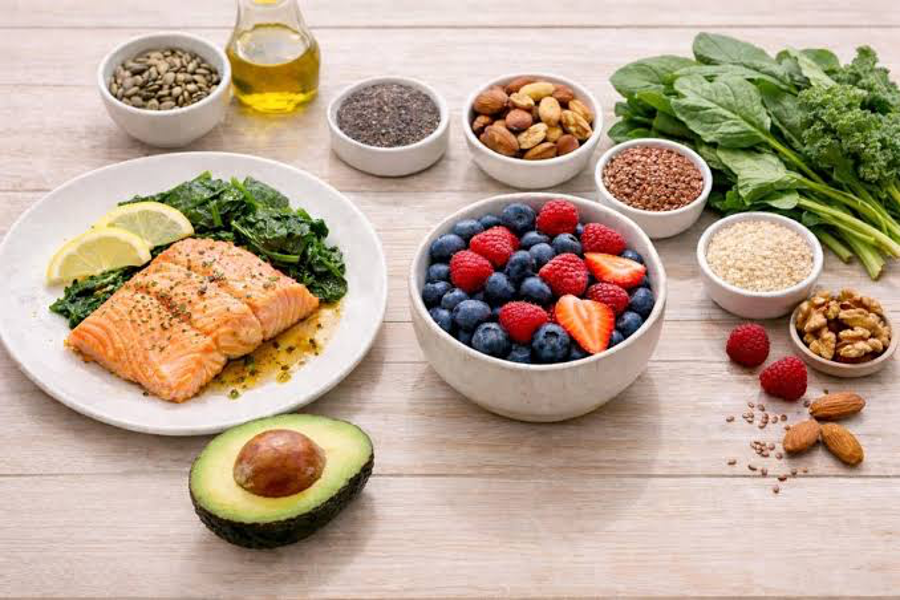
For this reason, rather than focusing on restrictive diets or specific eating strategies, the goal is generally to build a dietary pattern rich in vegetables, fruits, legumes, fish, eggs, nuts, seeds, extra virgin olive oil, and high-quality whole grains, always adapting it to each woman’s individual needs.
Gluten: one of the most common questions in the clinic
Interest in gluten-free diets as a possible strategy for improving symptoms associated with POMS has increased considerably in recent years.
However, there is currently no strong scientific evidence to support the routine elimination of gluten in all women with this condition.
Most available studies have not demonstrated clear benefits from removing gluten alone in women who do not have celiac disease or diagnosed gluten sensitivity.
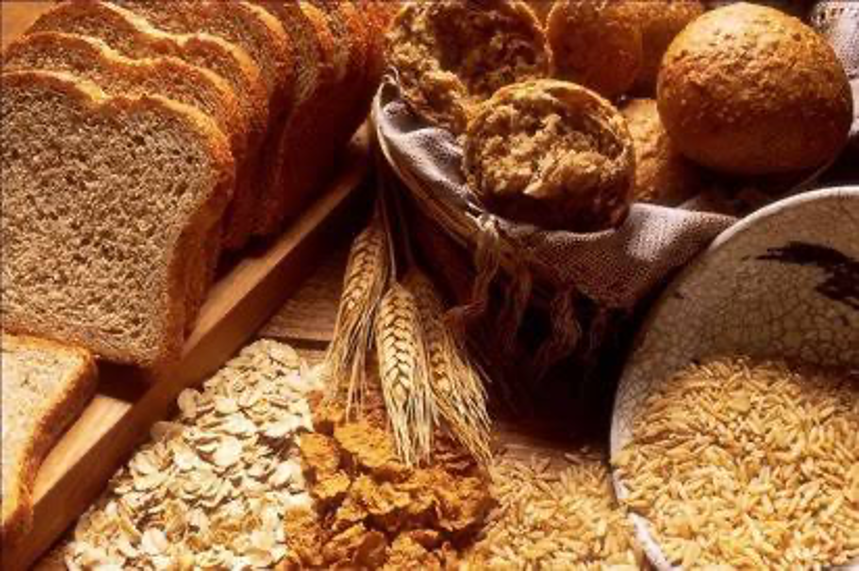
This does not mean that every patient responds in the same way. Some women report feeling better after reducing foods made with wheat or other gluten-containing cereals. In many cases, however, this improvement may be related more to a reduction in ultra-processed foods and refined flours than to the elimination of gluten itself.
For this reason, current recommendations do not advocate routinely excluding gluten, but rather individualizing each case and focusing on the overall quality of the diet by prioritizing fresh, minimally processed foods over products made with refined flours.
The gut microbiota: a new piece of the puzzle
Another area attracting growing attention in recent research is the role of the gut microbiota.
We now know much more about the influence that intestinal microorganisms have on inflammation, metabolism, and hormonal regulation. Several recent studies have identified differences in the composition and diversity of the gut microbiota in women with POMS compared with women without the condition, suggesting that the microbiota may play a role in mechanisms related to inflammation, insulin resistance, and hormonal regulation.
Although many questions remain unanswered, these findings suggest that gut health may play a more important role than previously believed.
From a practical standpoint, this knowledge reinforces recommendations that already form part of a healthy dietary pattern: increasing the variety of fruits and vegetables, regularly including legumes, consuming nuts and seeds, choosing whole grains, using extra virgin olive oil as the primary dietary fat, and incorporating fermented foods such as plain yogurt or kefir when well tolerated.
All of these foods provide fiber, polyphenols, and other bioactive compounds that help support a more diverse and functional gut microbiota.
What about insulin resistance?
Although insulin resistance is not present in all women with POMS, it remains a common and clinically significant finding in a substantial proportion of patients.
For this reason, an appropriate nutritional assessment should also consider each woman’s individual metabolic profile. The nutritional approach for a woman of normal weight with irregular menstrual cycles is not the same as for a patient who is overweight and has impaired glucose metabolism.
When insulin resistance is present, nutrition can become an especially valuable therapeutic tool. Current evidence supports dietary patterns that promote more stable blood glucose responses and reduce inflammatory burden.
In practice, this generally means prioritizing foods rich in fiber, high-quality protein, and healthy fats while reducing the regular consumption of sugary drinks, pastries, ultra-processed snacks, and other foods with a high glycemic load.
Rather than classifying foods as “allowed” or “forbidden,” the objective is to create an eating pattern that improves metabolic health while fitting each patient’s individual circumstances.
Nutrition tailored to every woman
Perhaps one of the most important messages emerging from current research is that nutrition in POMS should move away from rigid, one-size-fits-all approaches.
Just as there is no single form of POMS, there is no single diet that is appropriate for every woman living with this condition. The most effective nutritional approach is one that combines the best available scientific evidence with each patient’s individual characteristics, preferences, and therapeutic goals.
BIBLIOGRAPHY
(1) Teede HJ, Tay CT, Laven JJE, Dokras A, Moran LJ, Piltonen TT, et al. Recommendations from the 2023 International Evidence-based Guideline for the Assessment and Management of Polycystic Ovary Syndrome. Eur J Endocrinol. 2023
(2) Joham AE, Teede HJ, Boyle JA, Stener-Victorin E, Moran LJ, Piltonen TT, et al. Summary of the 2023 International Evidence-based Guideline for the Assessment and Management of Polycystic Ovary Syndrome. Med J Aust. 2024.
(3) Hanna A, Abbas H, Yassine F, AlBush A, Bilen M. Systematic review of gut microbiota composition, metabolic alterations, and the effects of treatments on PCOS and gut microbiota across human and animal studies. Front Microbiol. 2025;16:1549499.doi:10.3389/fmicb.2025.1549499.