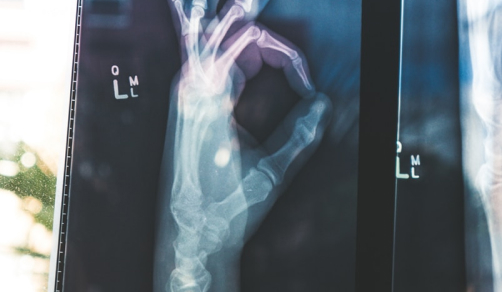





 Current medical conditions (blood pressure, cholesterol, high glucose…) and diseases you currently have or have had in the past (year of diagnosis, current stage…).
 Allergies to medications, asthma, seasonal allergies… and, if applicable, the treatment used to manage them.
 Medications and supplements you are currently taking.
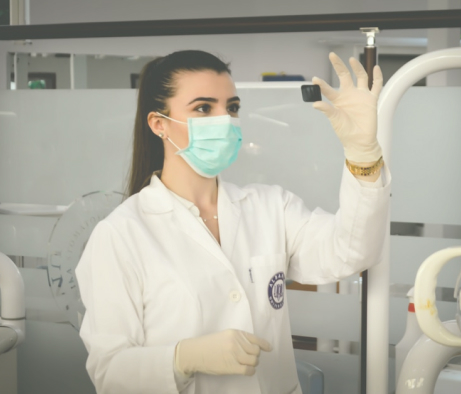 Diagnostic check-ups performed in recent years – and the tests they included –, number of medical visits – and the reason for consultation –, sick leave due to illness…
 Surgical procedures you have undergone throughout your life (including plastic surgery), and hospitalizations you have experienced.
 Detailed assessment of all body systems and organs: cardiovascular, respiratory, digestive, urological, reproductive…
 Diseases suffered by your biological relatives, specifying the type of condition. In addition, the causes of death of all close family members are also evaluated.
 Current diet (meal timing and number of meals, how many are eaten outside the home, and the frequency of consumption of each type of food: salt, fried foods, beverages, dairy products, vegetables, legumes, organic products…) and dietary control (whether there are concerns about nutritional habits, whether they interfere with daily life…).
 Type of exercise and number of times per week it is practiced, motivations for practicing/not practicing physical activity, injuries sustained throughout life, whether there is a personal trainer, whether there is any condition that limits certain activities…
 Current and past smoking status, alcohol consumption (wine, beer, spirits), and use of drugs or other illegal substances.
 Daily hours of sleep, sleep hygiene (timing of exercise, dinner intake, coffee consumption, light exposure, sleeping environment…), Epworth Sleepiness Scale questionnaire to assess daytime sleepiness, and screening for sleep apnea.
 Symptoms associated with a possible stress condition, assessment of stress levels endured, traumatic events experienced throughout life, and how these situations have been managed or experienced.
 Family and social functioning, life satisfaction, hobbies and activities that bring enjoyment…
 SF-36 questionnaire for assessing quality of life, indicating which daily activities are performed effortlessly and which involve physical limitations (mild or moderate). It also evaluates which situations require significant mental effort.
 Beck Questionnaire, which analyzes the patient’s current emotional state.
 A comprehensive medical history, together with an initial physical examination, is essential to obtain a “snapshot” of the individual’s health status.
 In addition to standard parameters, inflammatory biomarkers, vitamin levels, hormonal profile… are determined, and results are interpreted using more demanding criteria.
 Cholesterol levels, lifestyle habits, and current diseases are not sufficient to accurately predict cardiovascular risk. In Neolife Check-ups, we measure, among other things, central blood pressure, arterial stiffness and elasticity, perform resting electrocardiograms and cardiac stress tests, assess the fatty acid profile in the erythrocyte membrane, visceral fat… Furthermore, the latest advances in cardiovascular prevention focus on analyzing atherosclerotic plaque. At Neolife, two imaging tests are performed: one to detect the presence of coronary calcium and another to measure the thickness of the intima and media layers of the carotid artery wall.
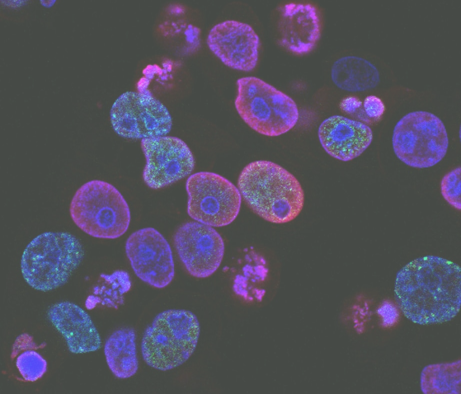 At Neolife, we perform colon cancer screenings, fecal occult blood tests, and thoracic and abdominopelvic CT scans.
Additionally, we measure a series of tumor markers: total PSA, carcinoembryonic antigen (CEA), alpha-fetoprotein (AFP), beta-hCG, calcitonin, CA 19-9, CA 125, CA 15-3, neuron-specific enolase (NSE), beta-2 microglobulin, prolactin, as well as serological tests related to cancer, such as hepatitis B virus, hepatitis C virus, and the urea breath test (H. pylori), or any other marker deemed necessary based on each individual case.
 The TAT telomere study determines both median telomere length and the length of the shortest telomeres, which is an excellent indicator of aging biomarkers, accounting for approximately 30% of cellular aging status.
Genetic studies identify pathogenic genetic variations that significantly increase the likelihood of disease occurrence and therefore require preventive, monitoring, and treatment measures.
 Various tests and assessments are performed to evaluate the individual’s neurocognitive health and to detect potential impairments at an early stage.
A brain MRI is also performed, which is the primary diagnostic imaging test to assess cerebral atrophy.
 The biomarkers analyzed to measure physical performance are those used in high-performance sports centers for world-class athletes, and they are among the most recognized and reliable aging markers to date: maximum oxygen consumption (VO₂ max) and ventilatory thresholds assessed through stress testing, dynamometry, flexibility, strength…
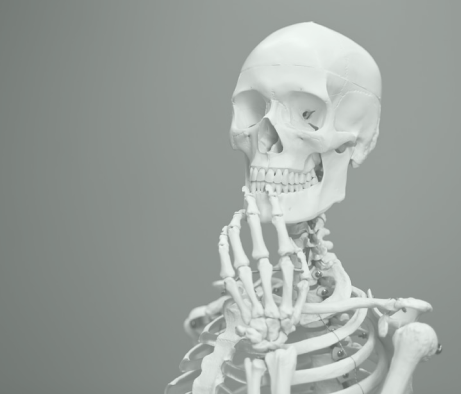 Using one of the most advanced devices on the market (DXA-Lunar), bone mineral density is measured to determine the degree of bone demineralization.
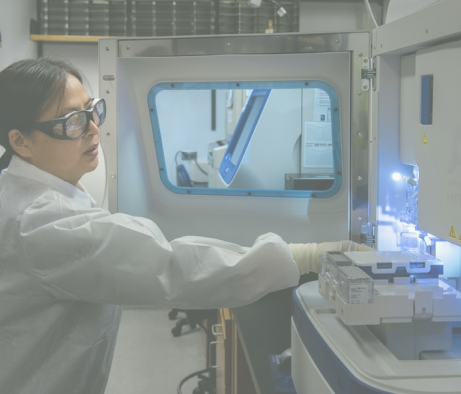 Photographs, skinfold measurements, bone diameters, body circumferences, bioelectrical impedance analysis, and DXA provide the most accurate anthropometric data available in clinical practice for a proper interpretation of body weight and composition.
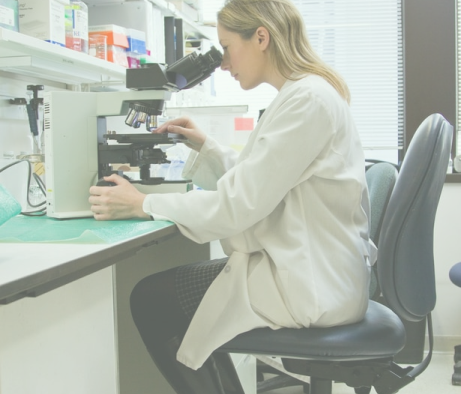 There are more than 100 types of sleep disorders. At Neolife, we focus on those related to the aging process—chronodisruption—in order to determine the appropriate melatonin prescription.
The measurement and interpretation of certain biomarkers and their intracellular balance provide information about oxidative and inflammatory status, and therefore about the need to take antioxidants or not.
 The assessment of functional respiratory biomarkers is key due to their strong correlation with the overall aging status of the body.