



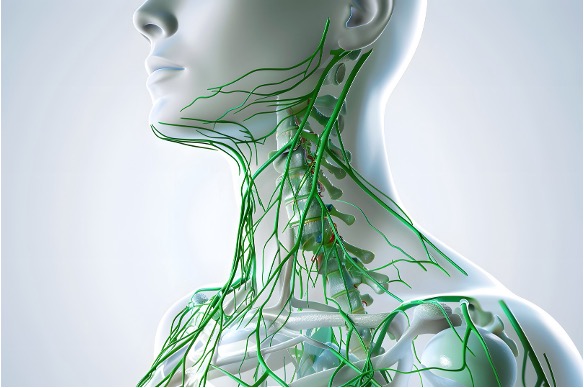

How to prepare for the colder months from your plate: nutritional keys to strengthening your defenses.
Autumn marks a significant transition: days become shorter, temperatures drop, and with this change, cases of colds, flu, and other seasonal infections increase. This season represents an ideal window of opportunity to strengthen the immune system naturally, using a powerful tool: nutrition.
Arantxa Jiménez – Neolife Nutrition Unit
Seasonal Foods and Functional Foods
In this article, we explore how a diet focused on seasonal and functional foods can be key to preparing our defenses for the challenges of winter. In addition to providing flavor and variety, the foods autumn offers are packed with vitamins, minerals, antioxidants, and bioactive compounds that support immune function and help maintain the body’s balance.
Why Is It Important to Strengthen the Immune System in Autumn?
During this season, sun exposure decreases, which can lower vitamin D levels—a key vitamin for immune health. The gut microbiota may also change due to dietary variations and reduced physical activity. At the same time, respiratory viruses and illnesses such as influenza become more prevalent, and the body requires greater immune energy to adapt to temperature changes.
A weakened immune system can lead to increased susceptibility to infections, persistent fatigue, digestive irregularities, and even a lower mood. For this reason, strengthening the immune system through diet is a fundamental, natural, and effective strategy.
Seasonal Nutrition: What Autumn Gives Us to Protect Ourselves
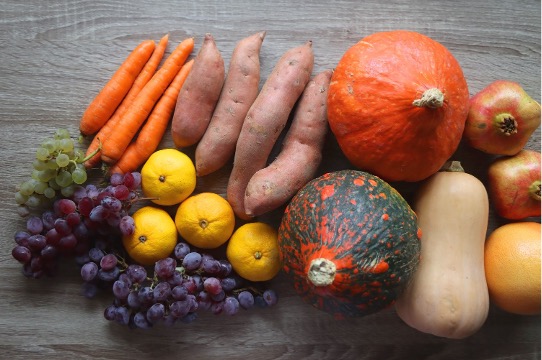
Seasonal eating involves consuming foods at their peak harvest time throughout the year. In autumn, nature provides products rich in antioxidants, fiber, and micronutrients that support immune health.
Notable foods include:
- Sweet potato: rich in beta-carotenes (provitamin A), essential for maintaining the integrity of the respiratory mucosa.
- Pumpkin: a source of vitamins C and E, as well as zinc, with antioxidant and immune-protective effects.
- Mushrooms: contain beta-glucans, compounds that activate the innate immune response.
- Apple: provides fiber and polyphenols that support gut microbiota, a key factor in immune regulation.
- Grapes and berries: high in resveratrol and anthocyanins, which combat oxidative stress.
- Chestnuts and walnuts: sources of vitamin E and selenium, with anti-inflammatory and immunomodulatory effects.
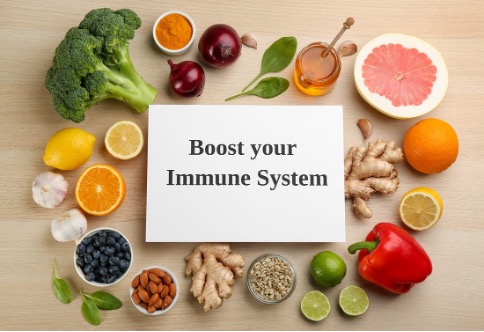
Including these foods in soups, purées, warm salads, or oven-baked dishes allows for functional nourishment tailored to the immune needs of this season.
Functional Foods That Support Immunity
A functional food not only nourishes but also provides specific health benefits, such as strengthening defenses or improving intestinal balance.
- Garlic and onion: rich in sulfur compounds with antimicrobial and immune-modulating effects.
- Kefir and natural yogurt: sources of probiotics that support gut microbiota health.
- Turmeric and ginger: powerful natural anti-inflammatories that help regulate an excessive or imbalanced immune response.
- Citrus fruits: high in vitamin C, antioxidants that support white blood cell production and help reduce the duration of colds.
- Green tea: contains catechins, antioxidant compounds with antiviral and immune-stimulating properties.
Regularly incorporating these foods enhances our immune resilience against infections.
BIBLIOGRAPHY
(1) Calder, P. C. (2020). Nutrition, immunity and COVID-19. BMJ Nutrition, Prevention & Health, 3(1), 74–92. https://doi.org/10.1136/bmjnph-2020-000085
(2) Gombart, A. F., Pierre, A., & Maggini, S. (2020). A Review of Micronutrients and the Immune System–Working in Harmony to Reduce the Risk of Infection. Nutrients, 12(1), 236. https://doi.org/10.3390/nu12010236
(3) Hosseini, B., et al. (2019). The role of micronutrients in the immune system: A review. Clinical Nutrition ESPEN, 33, 1–13. https://doi.org/10.1016/j.clnesp.2019.05.006
(4) Valdés, L., et al. (2018). Role of the gut microbiota in nutrition and health. BMJ, 361, k2179. https://doi.org/10.1136/bmj.k2179
(5) FAO. (2021). Seasonal Food and Nutrition. Food and Agriculture Organization of the United Nations. https://www.fao.org