The most advanced microbiota studies, together with a plan to optimize it
At Neolife, we carry out the most comprehensive and intuitive gut microbiota studies. Knowing whether your intestinal bacteria are in balance is extremely important, because the functional stability of our microbiota influences:
The digestion of food and the absorption of nutrients.
Normal immune, metabolic, and neuroactive function.
WHO SHOULD HAVE A MICROBIOTA STUDY AT NEOLIFE?
At Neolife, microbiota studies are prescribed within our programs whenever necessary for:
PEOPLE WHO MAY HAVE AN ALTERED MICRIOBIOTA, which can happen for many common reasons: an inadequate diet, a sedentary lifestyle, sleep disorders, certain chemicals and medications, as well as the aging process.
PEOPLE WHO WANT TO IMPROVE THEIR INMUNITY AND PREVENT DISEASE: It acts as a physical and biochemical barrier to prevent the entry of pathogens. If our microbiota is not in balance, we enter what we call dysbiosis, which can lead to inflammation and disease.
You may have heard of it as gut microbiota, “microbiome” in English terminology, or more colloquially as intestinal flora.
Our gut microbiota accompanies us from the moment we are born. As we pass through the birth canal, when we come into contact with our mother’s breast, when we receive kisses from family members, and when we breastfeed for the first time, we acquire bacteria that colonize our intestine. Our flora matures during the first 4–5 years of life as we are exposed to different environments and foods.
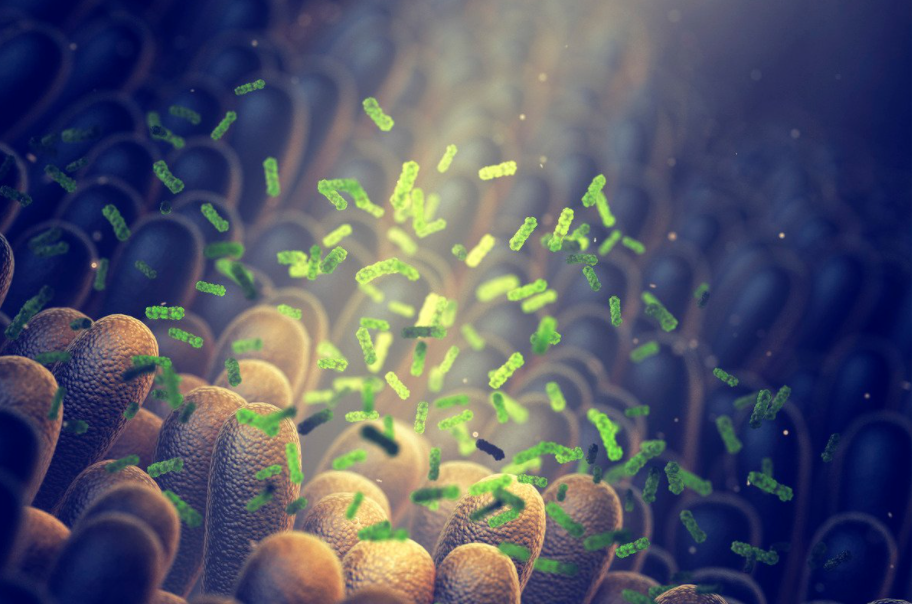
We live in mutualistic symbiosis with these microorganisms—we need each other. And we say microorganisms because they are not only bacteria: there are also fungi and yeasts, viruses, protozoa, and archaea.
HOW IS IT ORGANIZED?
Our microbiota needs multispecies communities to live and to complete its metabolic capacity to break down nutrients, obtain energy, and synthesize essential compounds for the community.
The most important and most studied group in our gut microbiota is bacteria. As I said, there are more than 1,000 species that are grouped into a series of functional groups with similar functions. This makes their study and analysis easier.
We distinguish a group of bacteria that stabilize the environment and a group of facultative pathogens. Within the group that controls stability and homeostasis of the intestinal environment are protective, immunomodulatory, mucotrophic, primary saccharolytic, and neuroactive bacteria. Among facultative pathogenic microorganisms, we distinguish proteolytic bacteria and fungi/yeasts.
WHY IS IT CALLED THE SECOND BRAIN?
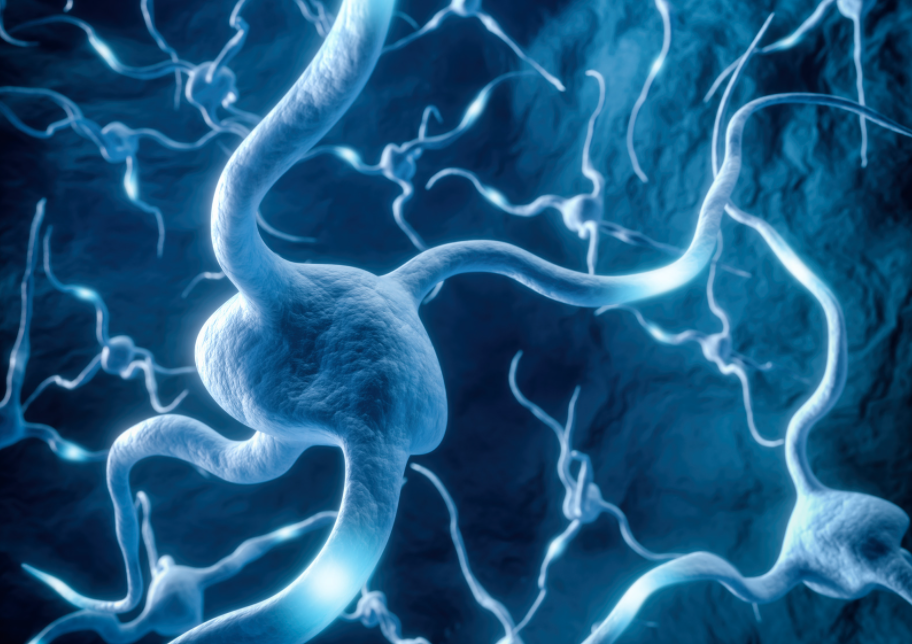
It truly behaves like a “second brain.” The enteric nervous system contains as many neurons as our spinal cord. 60% of the information that reaches our brain comes from our intestine, and it produces neurotransmitters in even greater amounts than the central nervous system (CNS). It is in constant communication with our CNS.
WHY SHOULD WE DO A MICROBIOTA STUDY AT NEOLIFE?
Neolife microbiota studies will provide you with:
There are many microbiota tests on the market, of very different quality levels and with greater or lesser detail in measuring bacterial populations.
At Neolife, we perform the most prestigious and cutting-edge microbiota studies currently available. Bacteria are quantified by real-time PCR and by culture. The results are broken down by functional groups to make them easier to understand.
Generally, microbiota studies only provide a results report with generic recommendations.
At Neolife, in addition to receiving an explanation and interpretation from our specialist team, you will receive a personalized treatment plan to improve the gut microbiota—key to optimally reversing dysbiosis.
Microbiota studies are often carried out from a partial view of the problem, by a single health specialist.
At Neolife, we approach gut microbiota with a multidisciplinary perspective, involving both medical and nutrition specialists, all of whom are continuously trained in gut microbiota over time.
BENEFITS OF HAVING A BALANCED MICROBIOTA
Supports cardiovascular and metabolic health.
Contributes to immune system balance.
Promotes digestive well-being and intestinal comfort (better digestive tolerance).
Maintains the gut–brain axis connection, influencing overall well-being.
Contributes to emotional well-being and mental health.
May positively influence appetite and weight control.
May improve sleep quality.
Plays a role in key physiological processes for overall health.
Para ofrecer las mejores experiencias, utilizamos tecnologías como las cookies para almacenar y/o acceder a la información del dispositivo. El consentimiento de estas tecnologías nos permitirá procesar datos como el comportamiento de navegación o las identificaciones únicas en este sitio. No consentir o retirar el consentimiento, puede afectar negativamente a ciertas características y funciones.
Funcional
Always active
El almacenamiento o acceso técnico es estrictamente necesario para el propósito legítimo de permitir el uso de un servicio específico explícitamente solicitado por el abonado o usuario, o con el único propósito de llevar a cabo la transmisión de una comunicación a través de una red de comunicaciones electrónicas.
Preferencias
El almacenamiento o acceso técnico es necesario para la finalidad legítima de almacenar preferencias no solicitadas por el abonado o usuario.
Estadísticas
El almacenamiento o acceso técnico que es utilizado exclusivamente con fines estadísticos.El almacenamiento o acceso técnico que se utiliza exclusivamente con fines estadísticos anónimos. Sin un requerimiento, el cumplimiento voluntario por parte de tu proveedor de servicios de Internet, o los registros adicionales de un tercero, la información almacenada o recuperada sólo para este propósito no se puede utilizar para identificarte.
Marketing
El almacenamiento o acceso técnico es necesario para crear perfiles de usuario para enviar publicidad, o para rastrear al usuario en una web o en varias web con fines de marketing similares.
Diet; an excess of meat, sugar or low fiber intake alter our flora.
A sedentary lifestyle favors dysbiosis.
Rest and circadian rhythm disorders, since their dysregulation also favors dysbiosis.
Chemicals: from additives to endocrine disruptors alter our intestinal bacteria.
Drugs: especially antibiotics and proton pump inhibitors (Omeprazole and drugs of that family).
The same aging process is related to a decrease in the population of protective bacteria and an increase in proteolytic bacteria.
PEOPLE WHO WANT TO IMPROVE THEIR IMMUNITY AND PREVENT DISEASE
The microbiota is of utmost importance to our immune system; 80% of our immune system cells are in the gut and communicate via blood and lymph with the rest of the body. It influences the maturation and correct functioning of our immune system by “training” it continuously and teaching it what to attack and what not to attack.
PEOPLE WHO MAY HAVE ALTERED THEIR MICROBIOTA
Diet; an excess of meat, sugar or low fiber intake alter our flora.
A sedentary lifestyle favors dysbiosis.
Rest and circadian rhythm disorders, since their dysregulation also favors dysbiosis.
Chemicals: from additives to endocrine disruptors alter our intestinal bacteria.
Drugs: especially antibiotics and proton pump inhibitors (Omeprazole and drugs of that family).
The same aging process is related to a decrease in the population of protective bacteria and an increase in proteolytic bacteria.
PEOPLE WHO WANT TO IMPROVE THEIR IMMUNITY AND PREVENT DISEASE
The microbiota is of utmost importance to our immune system; 80% of our immune system cells are in the gut and communicate via blood and lymph with the rest of the body. It influences the maturation and correct functioning of our immune system by “training” it continuously and teaching it what to attack and what not to attack.